Conventional vs Addressable Fire Alarm Systems Explained
How each system detects and reports fire, where each fits best, and what to consider for your building's safety and compliance.
Dawn IT Infra Team · · 6 min read
Why the type of fire alarm matters
Every second counts in a fire. The type of fire alarm system determines how quickly people know there is a problem and how quickly responders can find it.
Conventional fire alarm systems
In a conventional system, detectors and call points are wired in groups called zones. When a device activates, the panel shows which zone is in alarm — for example, 'Zone 3: Ground Floor East'. Someone must then search that zone to find the exact device.
- Lower equipment cost
- Well suited to small buildings, shops and small offices
- Simple to operate and maintain
Addressable fire alarm systems
In an addressable system, every detector, call point and module has its own unique address on a loop. The panel shows the exact device in alarm, such as 'Smoke detector — Room 204 Pantry'.
- Pinpoints the exact location of fire or fault
- Fewer cables thanks to loop wiring on large sites
- Advanced programming for cause-and-effect integrations
- Better suited to hospitals, hotels, high-rises and large factories
Integrations that save lives
Modern fire alarm panels can trigger public address evacuation messages, release access-controlled doors, signal lifts to return to the ground floor and shut down air handling to slow smoke spread. Planning these integrations at design stage is far easier than adding them later.
Maintenance is part of the system
Detectors collect dust, batteries age and buildings change. Periodic testing and preventive maintenance keep the system reliable and help with fire-safety inspections.
Need help planning your system? Contact Dawn IT Infra or browse all products.
Related systems
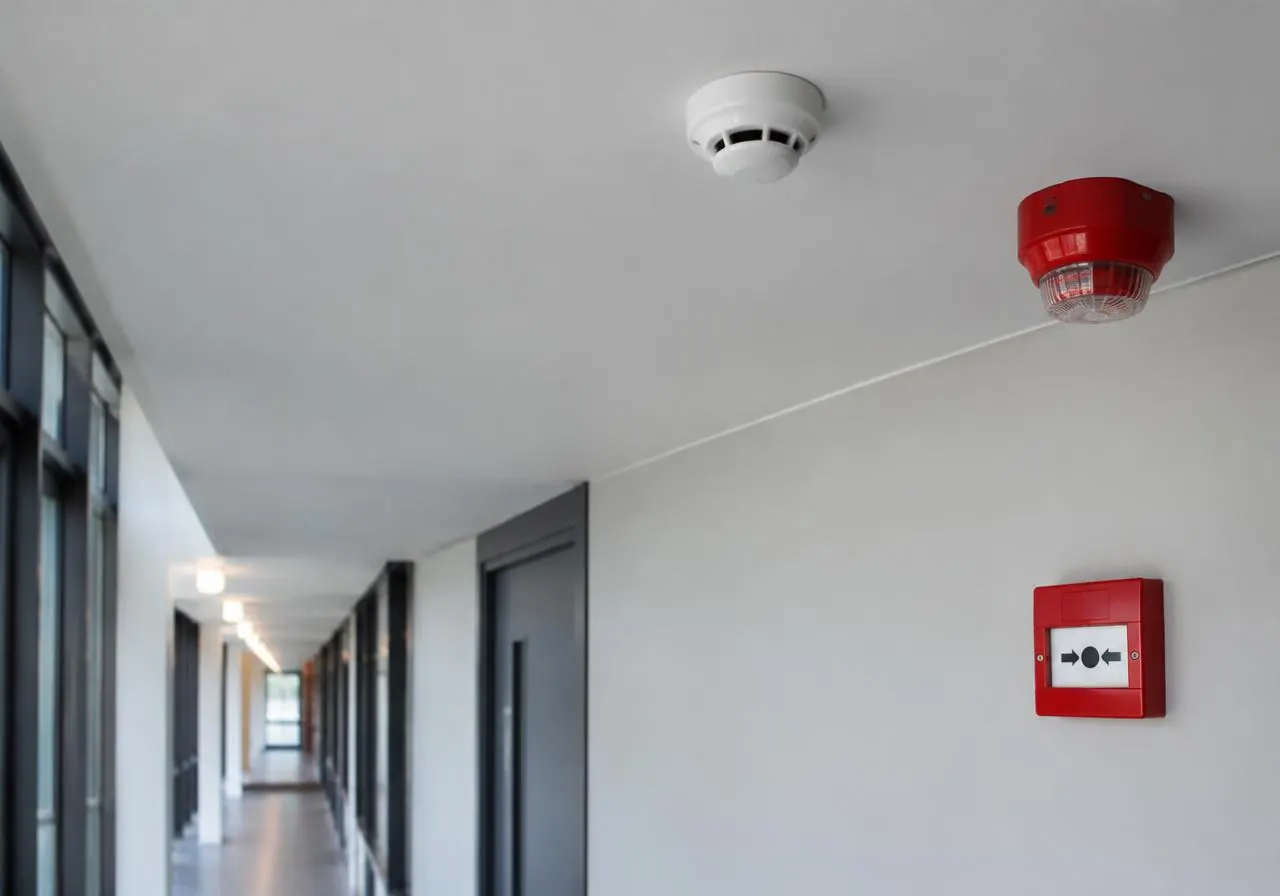 DIT-0505/10
Fire Alarm System
Early fire detection and clear evacuation alerts that save lives and property.
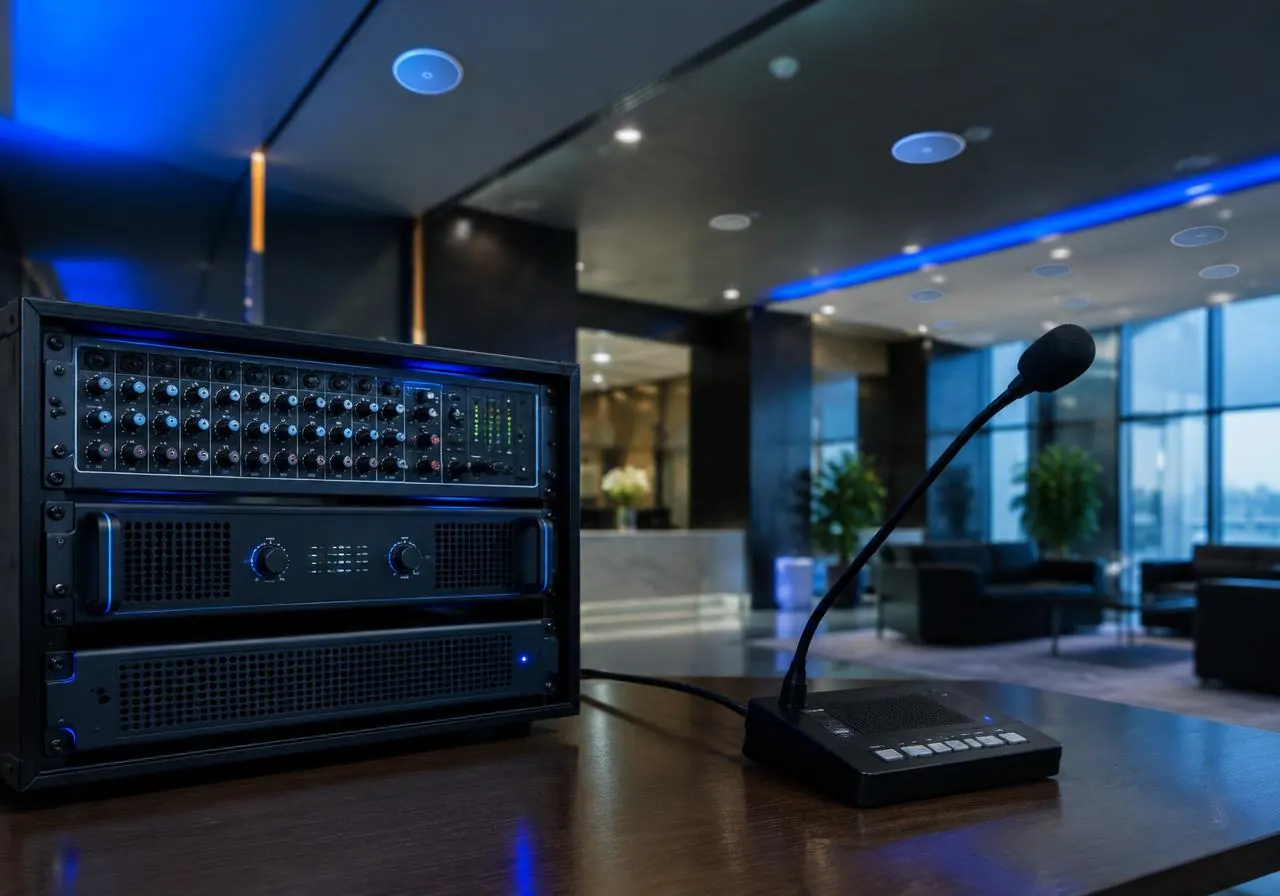 DIT-0606/10
Public Address System
Clear announcements, background music and emergency evacuation messaging.
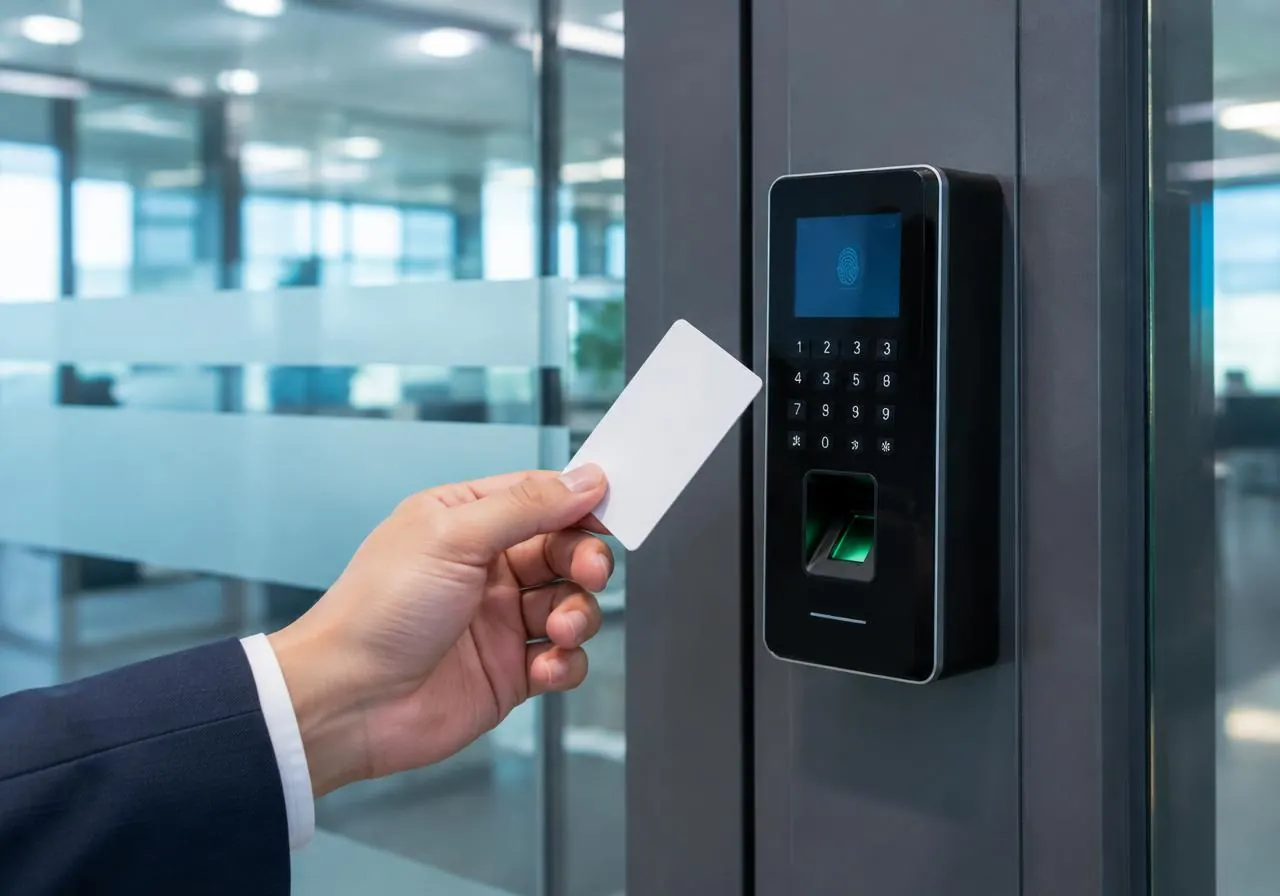 DIT-0707/10
Access Control System
Decide who enters where and when — and keep a record of every door event.
More articles
Ready to secure and connect your space?
Tell us about your site. We'll survey, draw the layout and share a clear proposal.